Mia Neumann · 2 October 2026
Navigating User-Driven Curation Models in Niche Digital Resource Networks
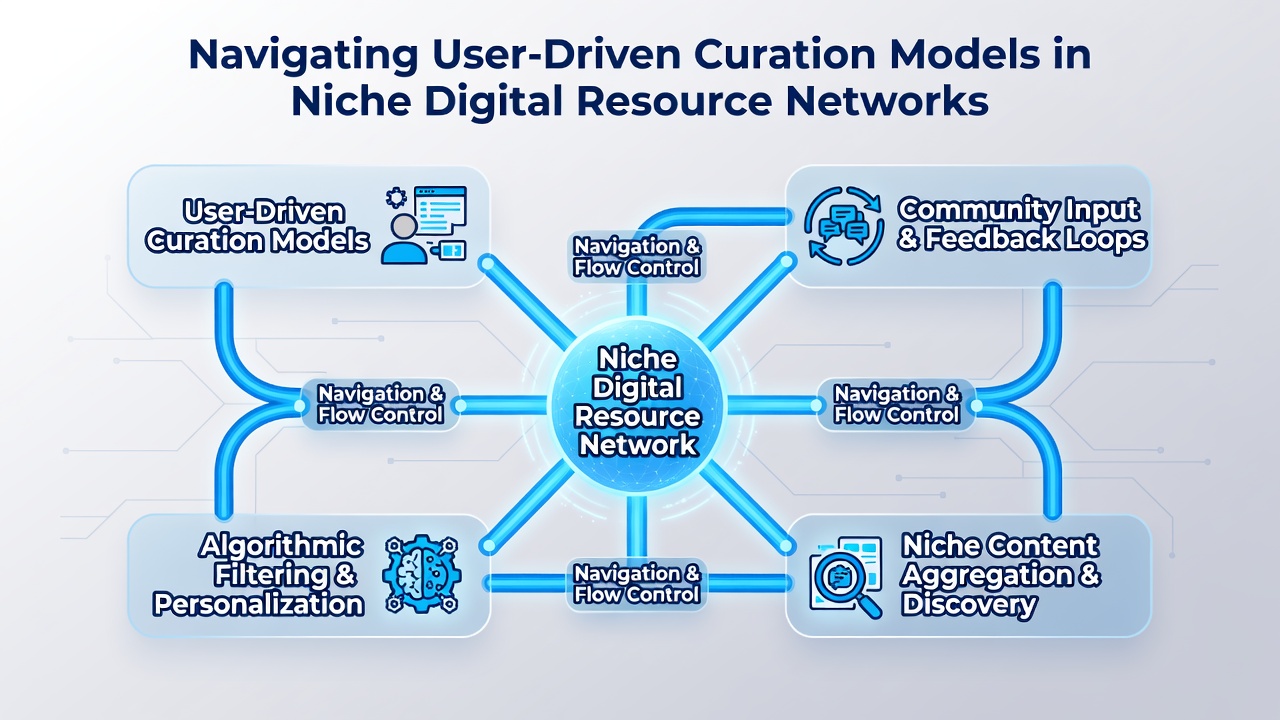
People who study online ecosystems have documented how user-driven curation models operate within niche digital resource networks, where participants collectively select, organize, and maintain specialized collections of content. These systems rely on community input rather than centralized editorial control, and research indicates that participation patterns often follow predictable cycles tied to network growth stages.
Observers note that niche networks typically emerge around focused topics such as rare technical documentation, regional historical archives, or specialized academic datasets, and data shows that early adopters establish initial tagging schemas which later users refine through iterative contributions. According to figures from the National Digital Stewardship Alliance, community-driven projects have expanded their holdings by an average of 34 percent annually in recent years when moderation tools remain transparent and accessible.
Core Mechanisms Behind Community-Led Selection
Users contribute through voting systems, annotation layers, and submission queues, while algorithms surface items based on engagement metrics rather than predefined hierarchies. Studies from the University of Melbourne reveal that networks incorporating reputation scores tied to contribution quality retain active participants 28 percent longer than those using simple upvote counts alone. Contributors often form subgroups around specific subtopics, and this division allows deeper expertise to guide decisions on borderline inclusions.
Yet the process involves trade-offs, because high-volume contributors can inadvertently steer priorities toward their own interests, and researchers at the Canadian Heritage Information Network have tracked cases where initial diversity in curated topics declined after the first 18 months without active recruitment of new voices. In October 2026, updates to the European Commission's digital content framework introduced guidelines encouraging networks to publish their curation criteria openly, which several platforms adopted within weeks of the announcement.
Technical Infrastructure Supporting Participation
Platforms deploy version-control systems, audit logs, and dispute-resolution interfaces to keep records of every change, and these features let participants review past decisions without needing administrative privileges. Data from the Library of Congress digital preservation reports indicates that networks maintaining public edit histories experience 41 percent fewer content disputes compared with closed systems. Integration with external APIs also allows automated checks for duplicates or broken links, reducing manual workload on volunteers.
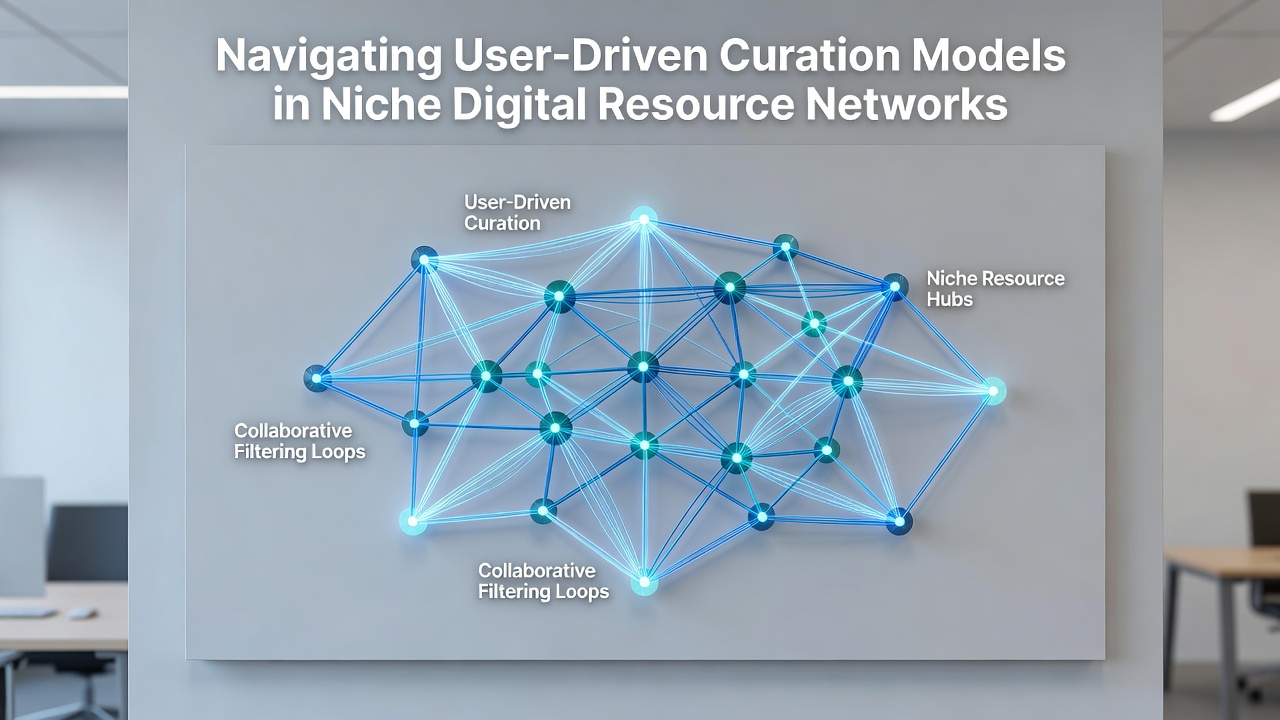
Security considerations arise when networks scale, because malicious edits or coordinated campaigns can distort curated collections, and organizations such as the Internet Archive have published case studies demonstrating how rate-limiting combined with multi-factor verification reduced such incidents by measurable margins. Participants frequently develop shared glossaries to standardize terminology across submissions, which helps maintain consistency even as membership turns over.
Challenges in Sustaining Long-Term Engagement
Retention depends on clear pathways for newcomers to gain influence, and evidence from multiple academic surveys suggests that networks offering mentorship pairings see higher conversion rates from casual visitors to regular contributors. Resource constraints also play a role, since volunteer moderators report spending increasing hours on conflict mediation as collections grow beyond a few thousand entries. Platforms that automate routine tasks such as link validation free human attention for higher-value decisions about thematic balance.
What's interesting is how regional regulations influence these models, with different jurisdictions emphasizing varying degrees of transparency around algorithmic ranking. Networks operating across borders must therefore track multiple compliance regimes simultaneously, and practitioners who have implemented modular policy engines note that updates propagate more smoothly when documentation remains centralized yet editable by designated community roles.
Conclusion
Observers continue to track how user-driven curation evolves alongside changes in platform tooling and regulatory expectations, and available evidence points to measurable advantages in content relevance when participation structures remain open and documented. Those managing niche networks increasingly combine automated safeguards with community oversight to balance growth against quality, and ongoing reports from institutions like the National Digital Stewardship Alliance provide benchmarks that help new projects calibrate their own approaches.