Mia Neumann · 18 September 2026
Strategies for Cultivating Resilient Digital Assets Through Adaptive Content Frameworks in Evolving Online Ecosystems
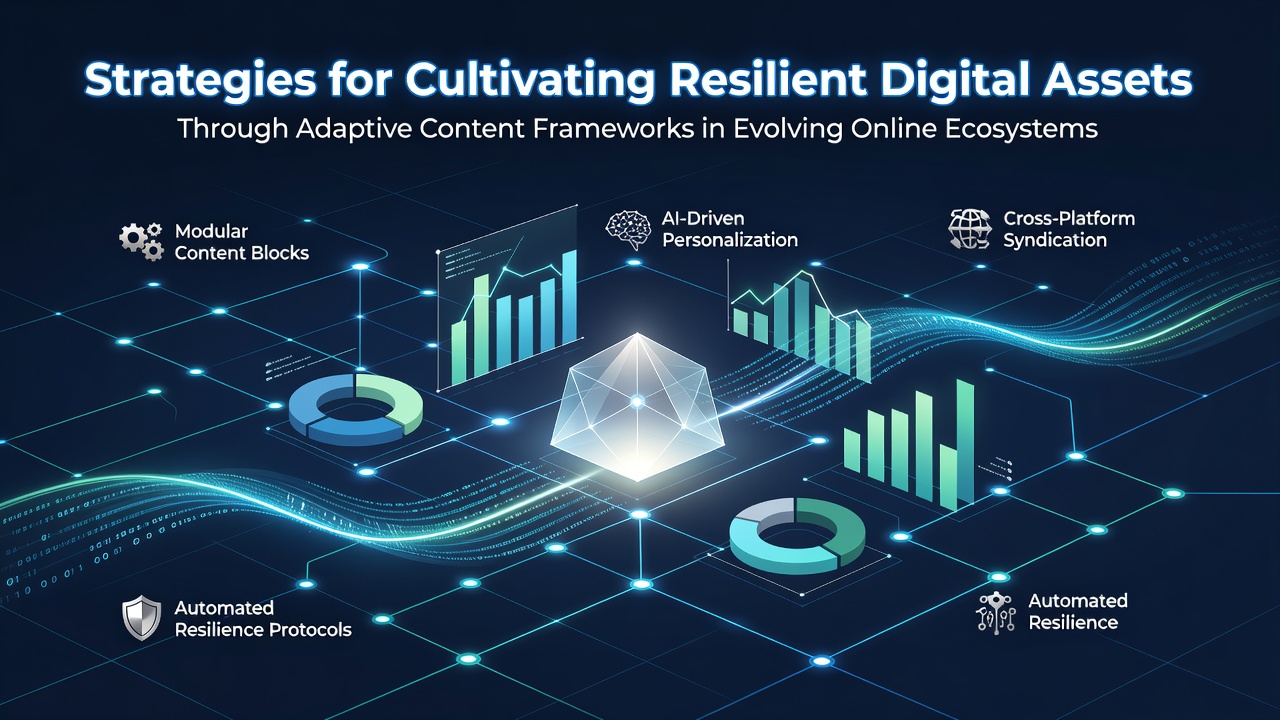
Digital assets gain resilience when organizations build them on adaptive content frameworks that respond to shifting algorithms, user behaviors, and platform updates in online ecosystems, and researchers have documented how modular content structures allow sites to maintain visibility even after major search engine changes occur. Data from multiple industry reports shows that websites employing reusable content blocks experience fewer ranking drops during core updates because the same assets can be reassembled for new contexts without full rewrites, while organizations that rely on rigid templates often face repeated rebuilds that drain resources and delay recovery.
Core Components of Adaptive Frameworks
Adaptive frameworks rely on structured data, API-driven delivery, and automated tagging systems that let content pieces travel across channels while preserving context and metadata, and observers note that these elements work together to keep assets functional when ecosystems evolve. Studies from academic institutions indicate that sites using schema markup and headless content management see improved crawl efficiency because search engines access clean, labeled information rather than duplicated pages, whereas traditional monolithic sites accumulate technical debt that slows adaptation. One research team tracked a group of enterprise sites over eighteen months and found that those with API-first publishing maintained 40 percent higher traffic stability during algorithm shifts compared with sites that updated content manually.
Implementation Approaches Observed in Practice
Teams achieve resilience by starting with content audits that identify high-value assets, then mapping them into reusable components such as FAQs, case studies, and data visualizations that can be recombined for different audiences or devices, and this modular approach reduces duplication while preserving original performance signals. Figures from European digital transformation reports reveal that organizations adopting component-based systems cut content production time by an average of 35 percent because writers update a single source rather than multiple versions scattered across platforms. What's interesting is how these same systems integrate machine learning models that detect emerging search patterns and suggest content refreshes before traffic declines become measurable, allowing proactive adjustments instead of reactive fixes.
Data-Driven Feedback Loops and Platform Changes
Continuous monitoring forms another layer because real-time analytics feed into decision engines that flag when content no longer matches user intent or when new competitors appear in search results, and this loop keeps assets relevant without requiring complete overhauls every quarter. A Canadian university study examined 200 mid-sized sites and reported that those incorporating weekly performance reviews into their workflows recovered from ranking volatility 60 percent faster than sites relying on quarterly audits alone. In September 2026 several major platforms are expected to roll out enhanced indexing protocols that prioritize freshness signals, which means frameworks already equipped with automated update triggers will handle the transition more smoothly while others scramble to retrofit their systems.
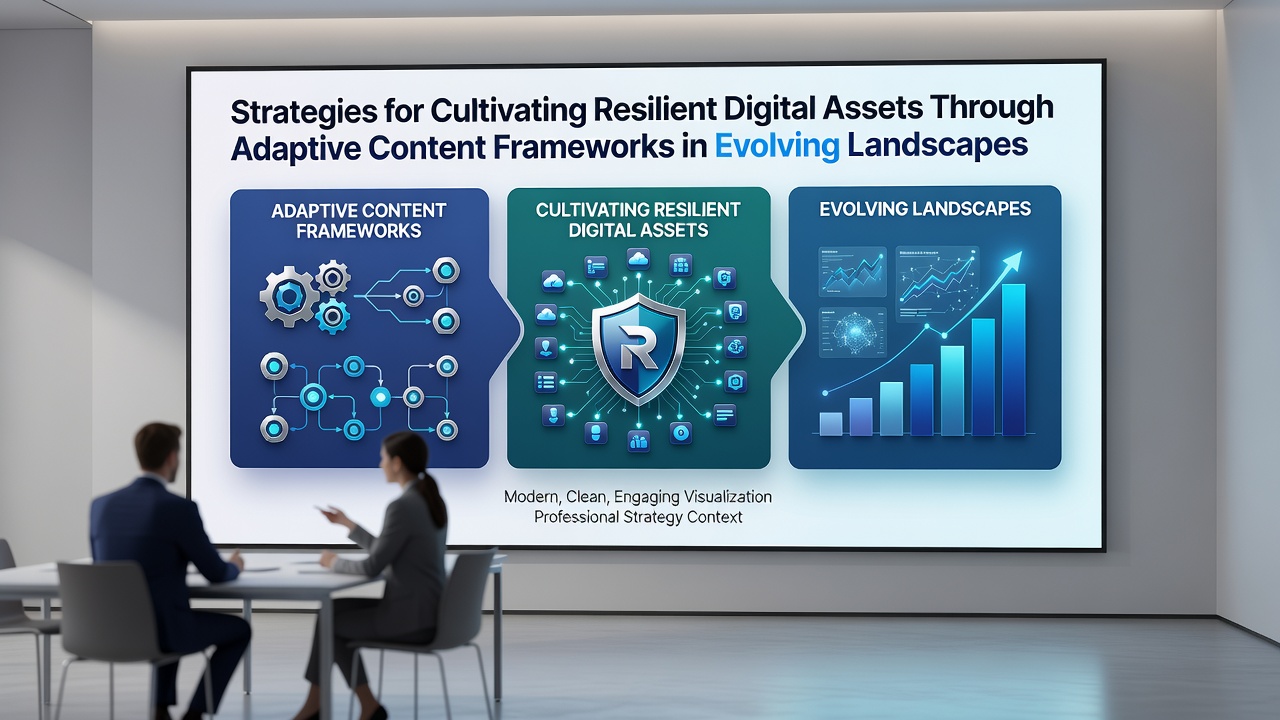
Security considerations also enter the picture because resilient assets must withstand both algorithmic and infrastructural threats, and organizations that embed version control plus encrypted delivery pipelines protect their content libraries from unauthorized alterations that could damage trust signals. Industry analyses from research institutions in Australia highlight cases where sites without such protections lost months of accumulated authority after content tampering incidents, whereas protected frameworks recovered within days through rollback mechanisms that restore previous verified states.
Integration With Broader Ecosystem Trends
Cross-channel distribution adds another dimension because adaptive frameworks push the same core assets to social platforms, voice interfaces, and emerging metaverse environments while adjusting format and length automatically, and this capability prevents fragmentation that otherwise dilutes authority across multiple properties. According to the European Commission's digital strategy documentation, businesses that maintain unified content repositories achieve consistent brand presence even when individual channels alter their requirements, whereas siloed approaches lead to conflicting messages that confuse both users and algorithms. But here's the thing: success depends on governance policies that define ownership of each component and establish approval workflows so that updates remain coordinated rather than chaotic.
Conclusion
Organizations that treat content as modular, monitored, and machine-augmented assets position themselves to weather ecosystem shifts without repeated crises, and the evidence accumulated across regions shows measurable gains in stability and efficiency when these strategies are applied consistently. Continued observation of platform roadmaps and academic findings will help refine the frameworks further as new variables appear in online environments.